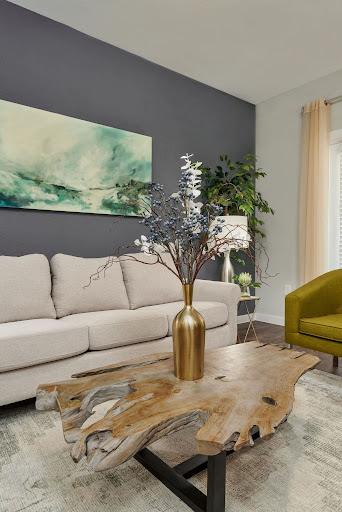
Accent walls have been a popular design choice for years, but they’re often associated with bold paint colors and trends that quickly came and went. Today, they’re being used a little differently. Rather than serving as the focal point of a room, accent walls are helping create depth, define a space, and add character in a way that feels natural and lasting.
When done well, an accent wall doesn’t compete with the rest of the room. It complements the overall design and gives the space another layer of interest without overwhelming it.
It Starts with the Right Wall
One of the biggest misconceptions about accent walls is that any wall can become one. In reality, the most successful accent walls already have something working in their favor.
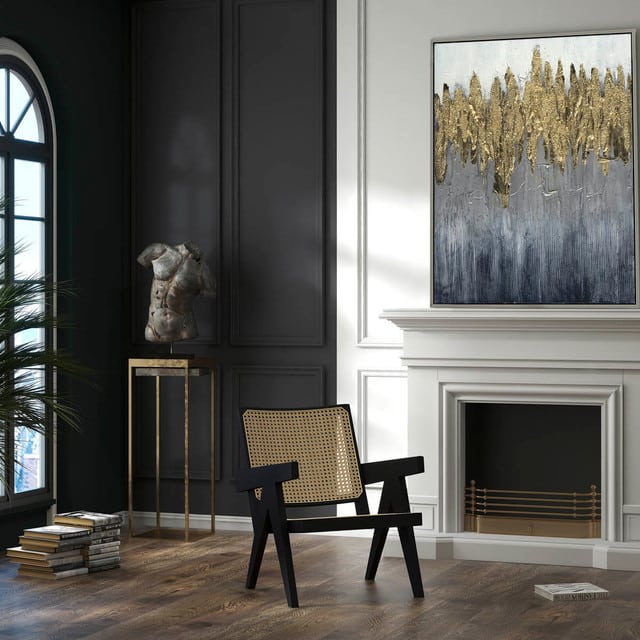
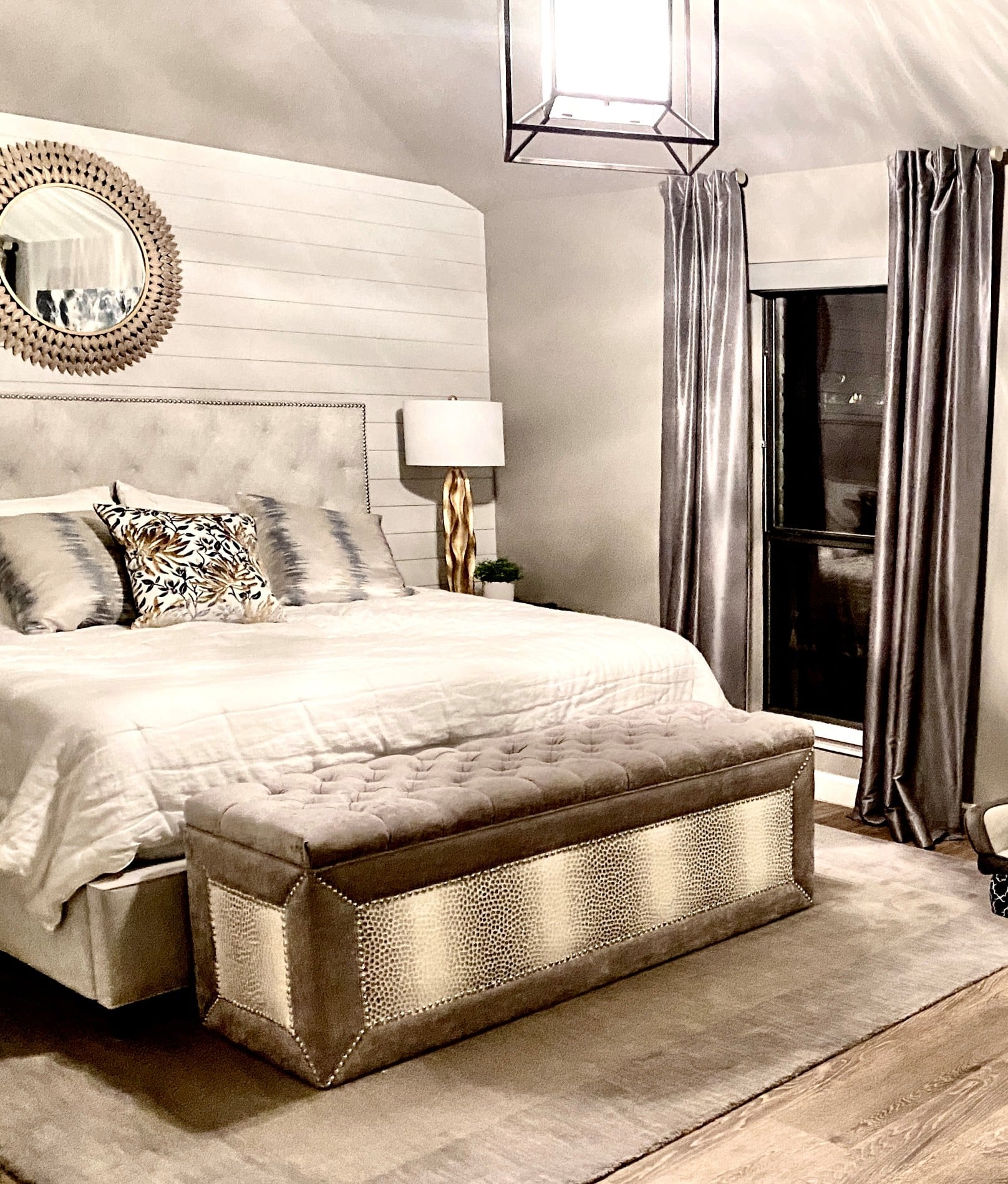
In a living room, that might be the fireplace or a wall with built-in shelving. In a bedroom, it’s often the wall behind the bed. Even an entryway or dining room can be a good candidate when there’s a natural place for the eye to land.
Choosing the right location is just as important as choosing the material or color itself.
Paint Isn’t Your Only Option
While paint is still a popular choice, today’s accent walls go well beyond color. Wallpaper, wood paneling, decorative molding, limewash, stone, and textured finishes can all add dimension without feeling trendy.
In many cases, texture creates just as much impact as color. A softly patterned wallpaper or custom millwork can add warmth and visual interest while still allowing the room to feel calm and cohesive.
Less Can Often Do More
One mistake people often make is choosing an accent wall that immediately demands attention. A high-contrast color or busy pattern may stand out at first, but it can also become the only thing you notice in the room.
The most successful accent walls feel intentional rather than obvious. They support the overall design, highlight the room’s best features, and add personality without overpowering the surrounding finishes and furnishings.
Not Every Room Needs One
Accent walls can be a beautiful design feature, but they don’t need to appear in every room. Sometimes the architecture, natural light, or furnishings already provide enough visual interest.
The best way to decide if a room would benefit from an accent wall is to look at the space as a whole. If the room feels like it’s missing depth or a clear focal point, an accent wall may be the finishing touch that brings everything together.
A Well-Designed Accent Wall Feels Like It Belongs
The best accent walls don’t feel like an afterthought. They feel like they were always meant to be part of the home.
At Jana Ward Interiors, every design decision is made with the entire space in mind. Whether it’s selecting finishes, planning furniture layouts, or incorporating architectural details, the goal is always the same: creating homes that feel warm, timeless, and uniquely personal.
If you’re considering an accent wall but aren’t sure where to begin, Jana Ward Interiors can help you choose a design that complements your home and reflects your style.