How to Mix Wood Tones in Your Living Room, Kitchen, and Bathroom
You love your oak floors. Now you’ve found a walnut coffee table you love just as much. Can the two work together? Absolutely. The darker table can give a pale floor some definition, and the difference in grain can make both pieces more interesting.
When deciding how to mix wood tones, start with the wood that takes up the most space. That might be the flooring in your living room, the cabinets in your kitchen, or a vanity in your bathroom. Use that finish as your reference when choosing the next one.
Start With Undertone and Contrast
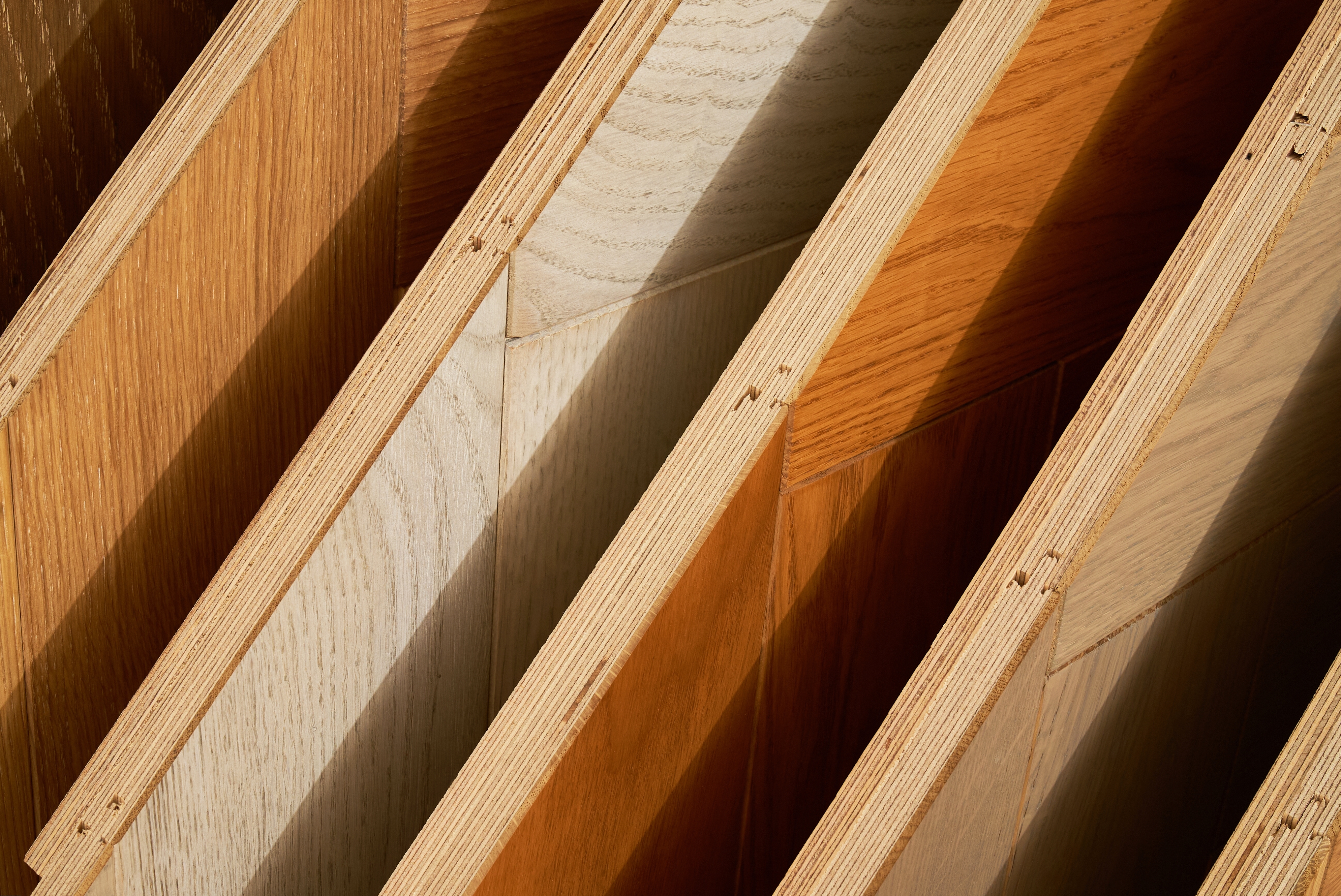
Look at the color beneath the grain. Does the wood lean golden, reddish, or gray? Two finishes can differ quite a bit in depth and still feel related. A pale honey oak and a deeper brown with a hint of warmth, for example, can make a lovely pair.
Hold the actual samples together in the room before you decide. Two medium browns that look almost identical online may reveal a pink cast in one and a yellow cast in the other. If the pairing feels a little off, try a noticeably lighter or darker sample. Sometimes a clearer difference is exactly what the room needs.
How to Mix Wood Tones in a Living Room
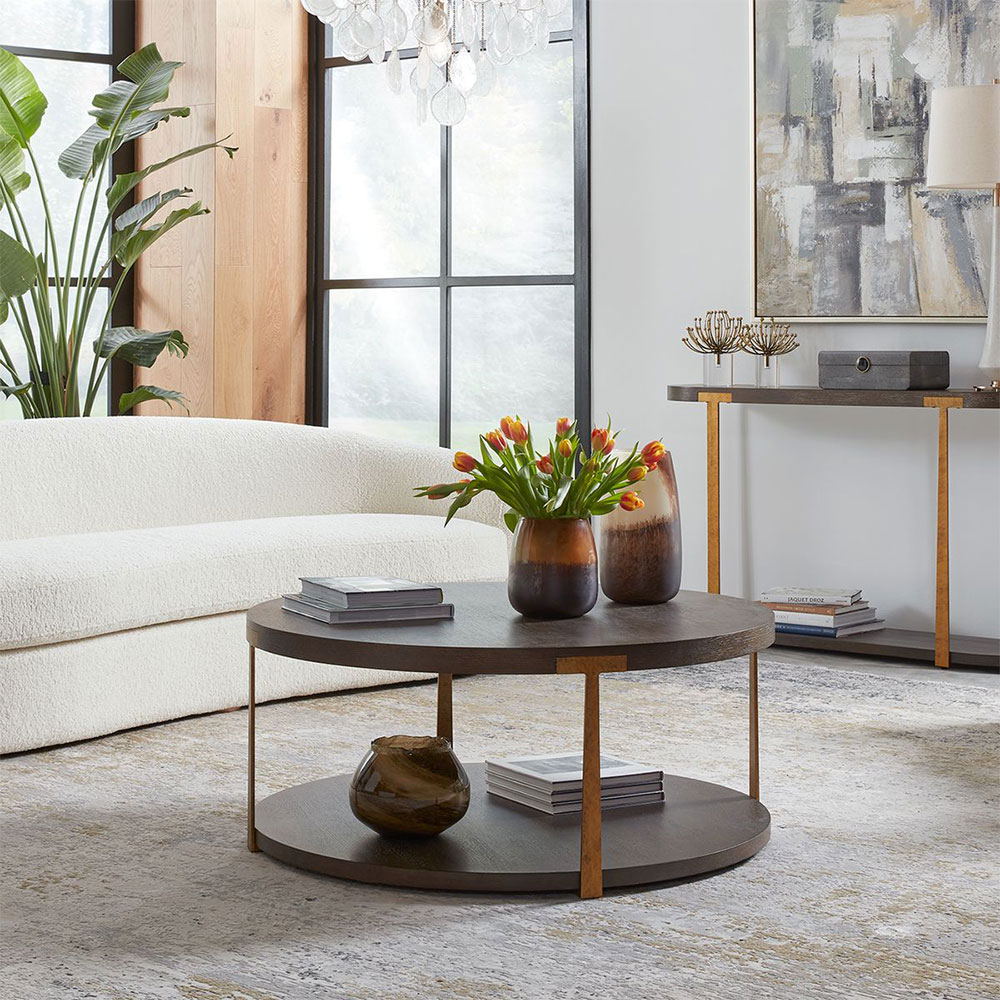
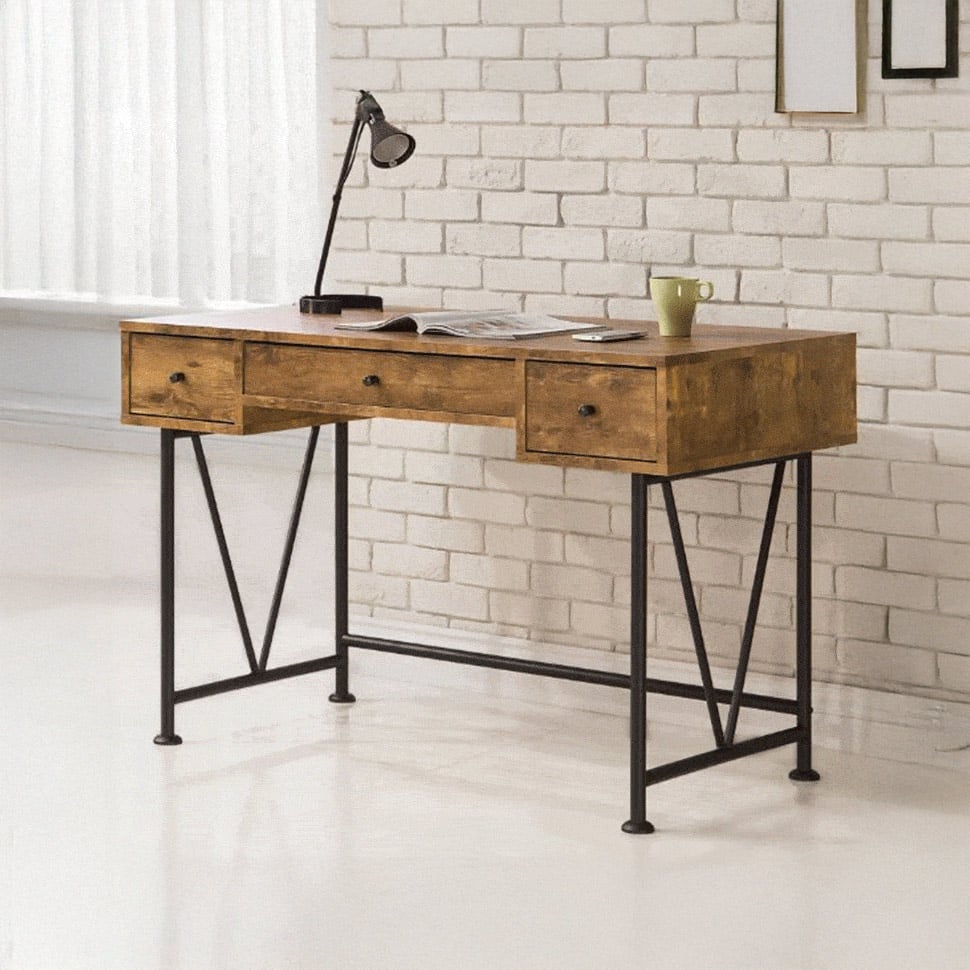
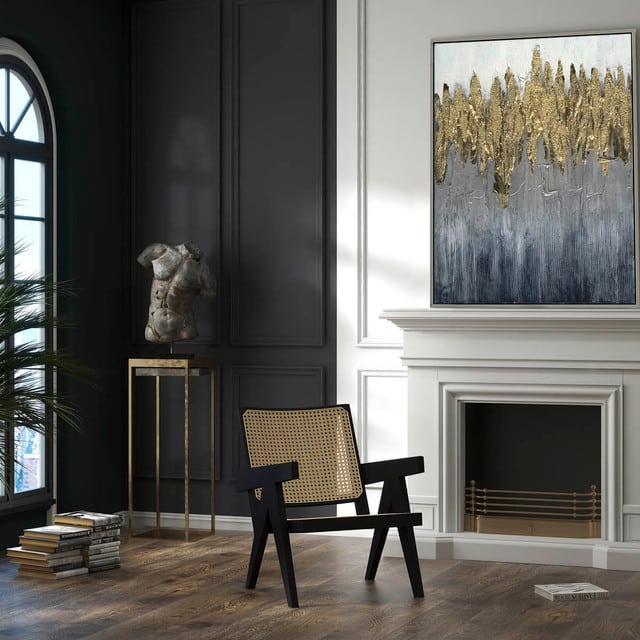
Start with the view from the sofa. On a pale oak floor, a dark walnut coffee table gives the seating area a focal point. If you want to carry that color across the room, a single walnut picture frame on a bookshelf may be all it takes. The end tables can be a different material altogether.
Already own a coffee table in a finish close to your floors? Slip a rug beneath it. A warm ivory or patterned rug gives the table a distinct outline, so you can appreciate its shape even when the two woods are similar.
Pairing Wood Cabinets and Floors in a Kitchen
In a kitchen, the most revealing spot is where the lower cabinets meet the floor. Stand the cabinet sample upright on the flooring and look at both from the doorway. A cabinet door laid flat on a showroom table catches light differently than it will once installed.
If the floor has prominent knots and long, sweeping grain, try a cabinet front with a quieter, straighter pattern. Bring your countertop sample into the comparison, too. A strongly veined slab might be the detail you want people to notice first, and a simpler cabinet grain gives it room to stand out.
Choosing a Wood Vanity Finish for a Bathroom
A bathroom gives you a smaller set of finishes to work with, and the door may already be one of them. If a warm oak door is visible in the vanity mirror, hold the vanity sample beside the tile and look at the reflection. From the sink, those two woods will appear together every morning.
A walnut vanity can add depth against pale tile, while a light oak vanity can pick up a sandy tone in the stone. Once you find a combination you love, pause before adding wood shelves or a wood framed mirror. The vanity may already bring all the warmth the room needs.
If you’re choosing finishes for your San Antonio home, bring a cabinet sample or a photo of the piece you’d love to keep. We can help you build the room around it.
Curated Pieces You’ll Love Living With
Our showroom and warehouse are open to the public and filled with hand-selected furniture, lighting, art, rugs, and accessories. Each piece is chosen for its quality, warmth, and timeless style.