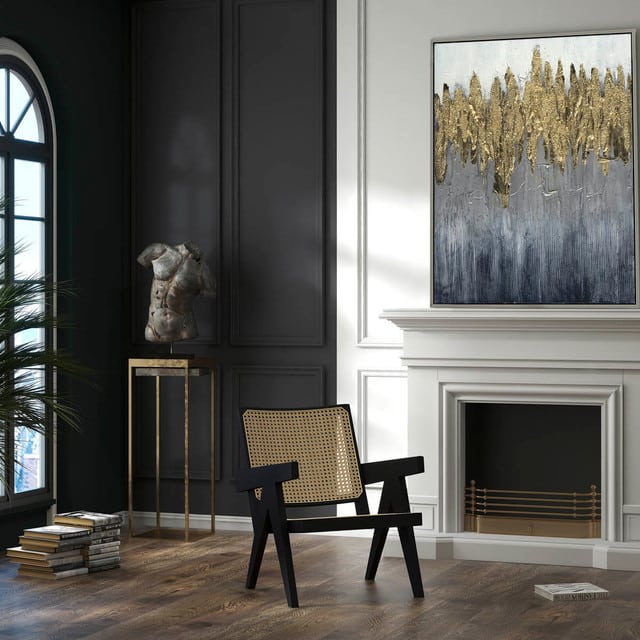
When preparing a home for the market, staging often raises a practical question: Do all rooms need to be staged?
In most cases, the answer is no. The goal of home staging isn’t to furnish every square foot, but to focus on the spaces that shape how the home is understood. Thoughtfully staged rooms help visitors quickly recognize how the home functions and how the spaces connect.
By prioritizing the right areas, staging helps the home feel balanced, inviting, and easy to experience.
The Living Room
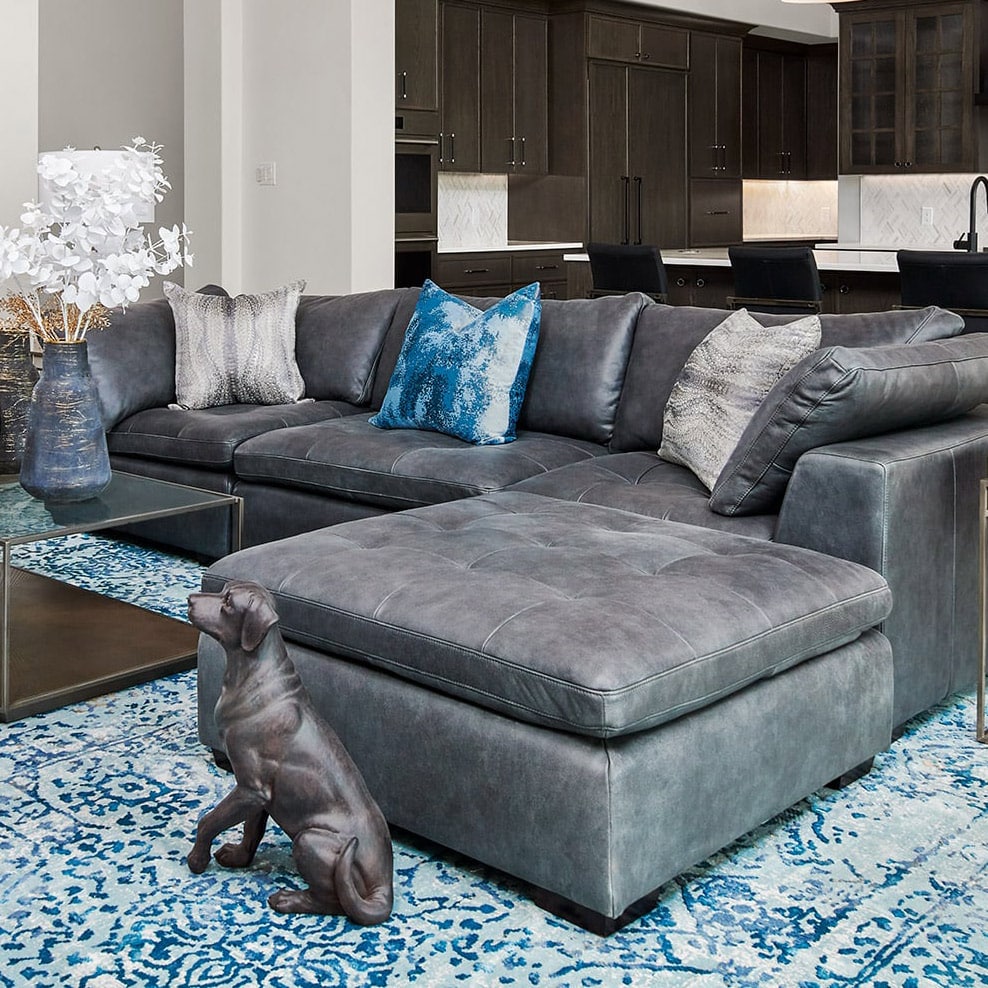
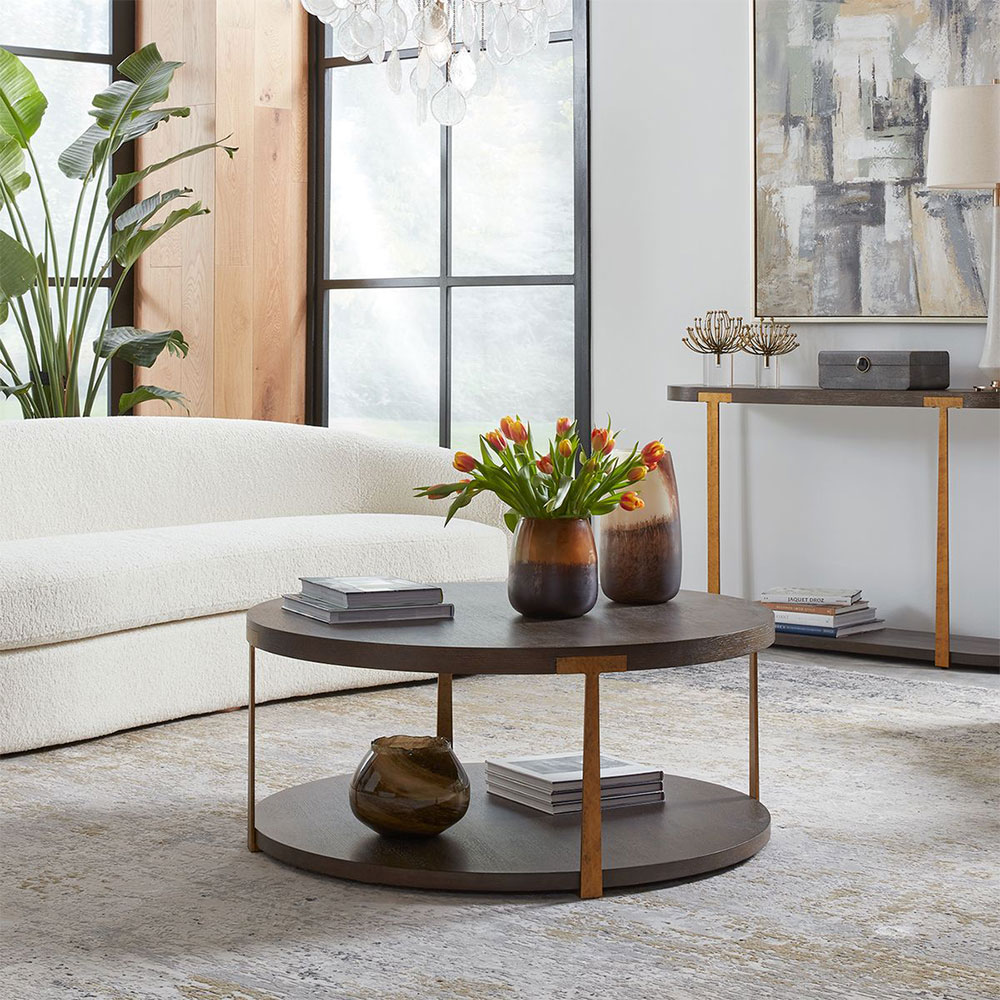
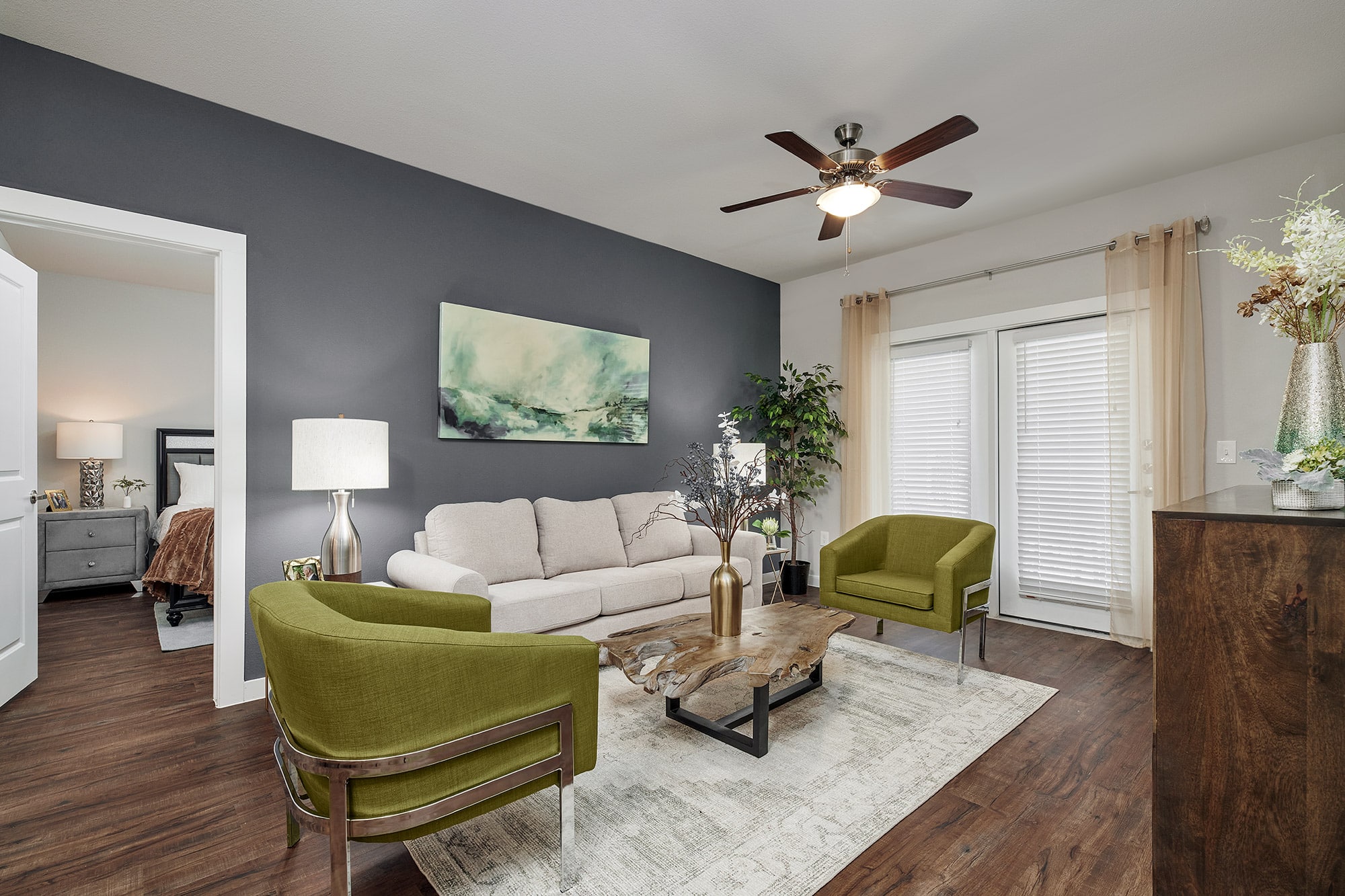
The living room is often one of the first spaces people encounter when entering a home, and it typically becomes the central gathering area. Because of that, it plays an important role in shaping the overall impression of the property.
Staging a living room helps establish scale and proportion. A well-placed sofa, chairs, and a few thoughtful accessories create a sense of comfort while allowing the architecture of the space to stand out. When arranged carefully, the room immediately communicates how it’s meant to be used.
The Kitchen
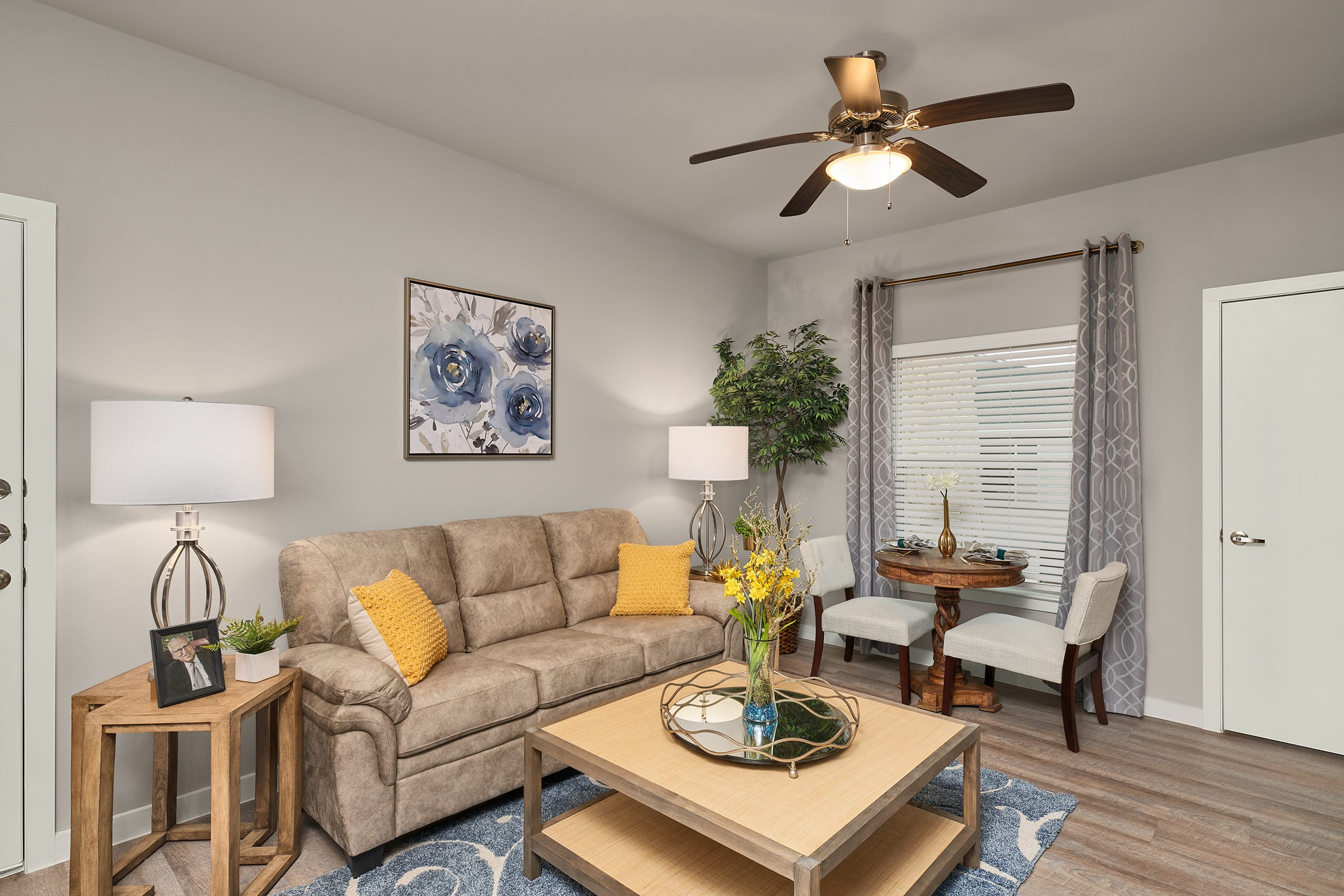
Kitchens are one of the most closely evaluated spaces in a home. While they are usually already equipped with cabinetry and appliances, staging helps refine how the space is experienced.
Rather than filling the room with decorative items, thoughtful staging focuses on simplicity. Clear countertops, a few intentional accents, and balanced styling help the kitchen feel clean, welcoming, and ready for everyday use.
The Bedroom
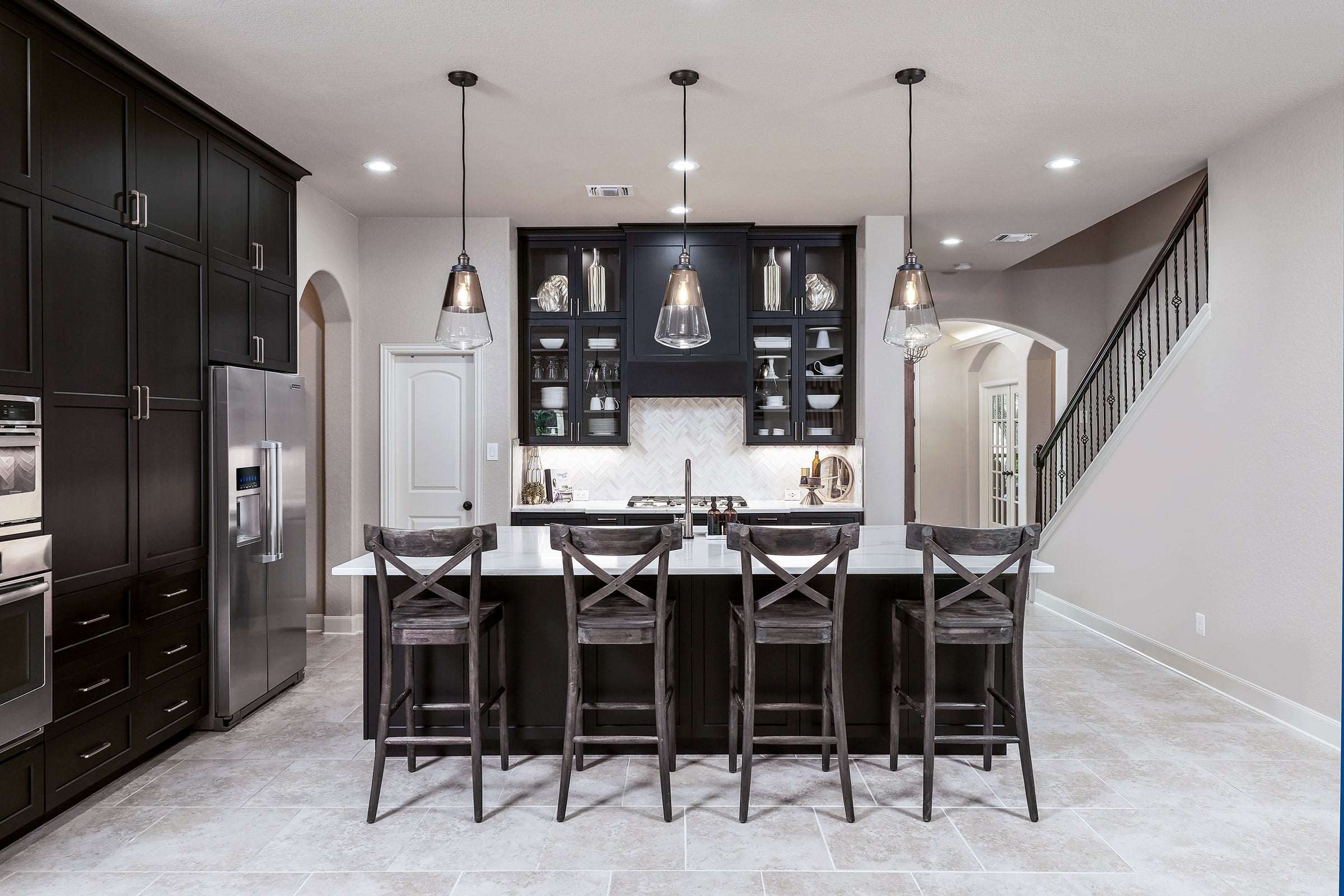
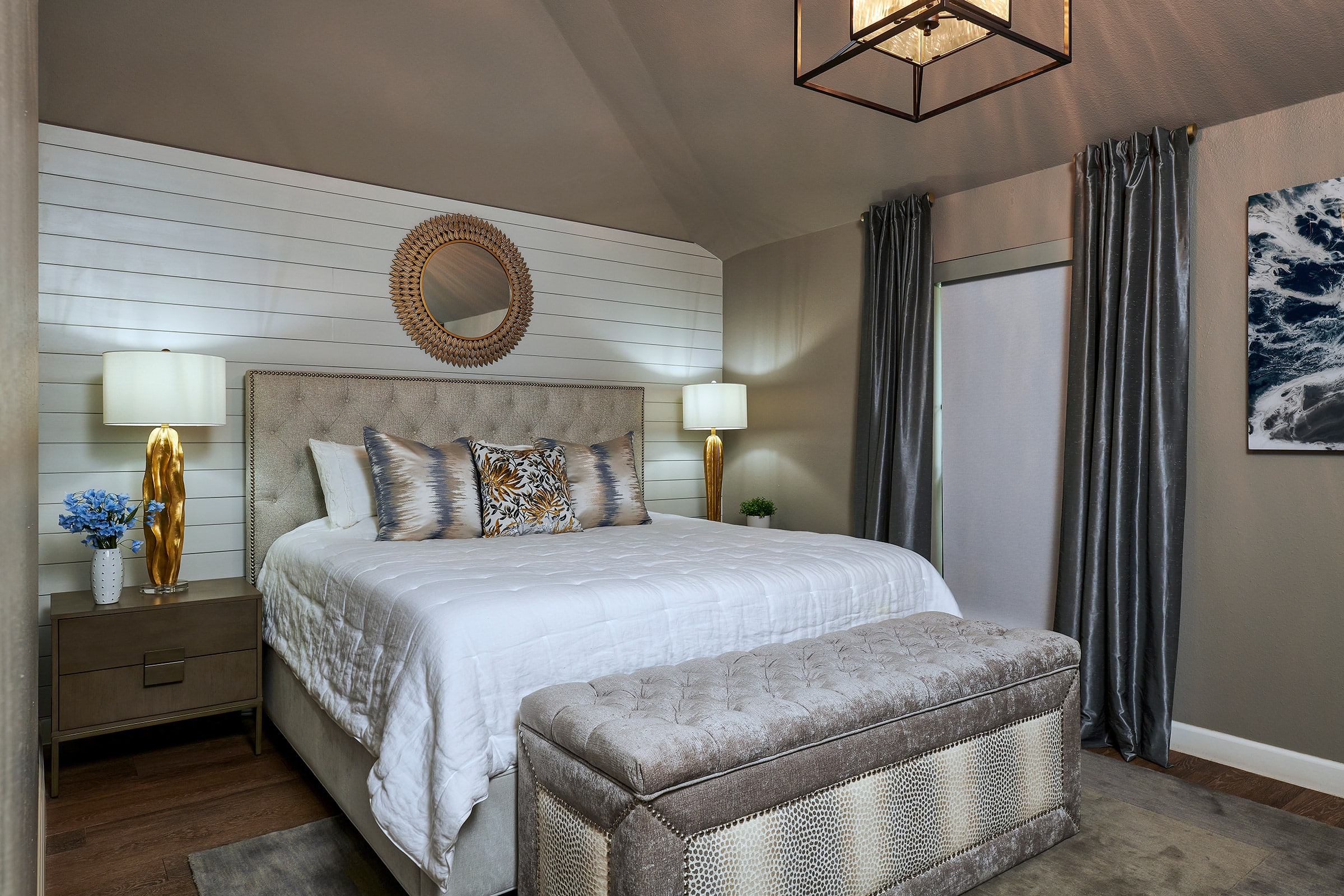
Bedrooms should feel calm and restful, and the primary bedroom is no exception. When staged well, it offers a sense of retreat within the home.
A well-proportioned bed, simple bedding, and carefully selected nightstands help define the space without overwhelming it. The goal is to create a room that feels comfortable and spacious, allowing visitors to imagine it as a place to unwind.
The Dining Area
The dining room, or dining area within an open layout, helps demonstrate how the home supports gathering and everyday living.
Even a simple table setting can bring warmth to the space and clarify how the room functions. Without staging, dining areas can sometimes feel undefined, particularly in open-concept homes.
Entryways and First Impressions
First impressions begin before visitors move fully into the home. Entryways and transitional spaces help set the tone.
A console table, mirror, or small decorative elements can bring structure and welcome to these areas. Even subtle staging here helps create a sense of arrival and flow as people move into the rest of the home.
When Additional Rooms Benefit From Staging
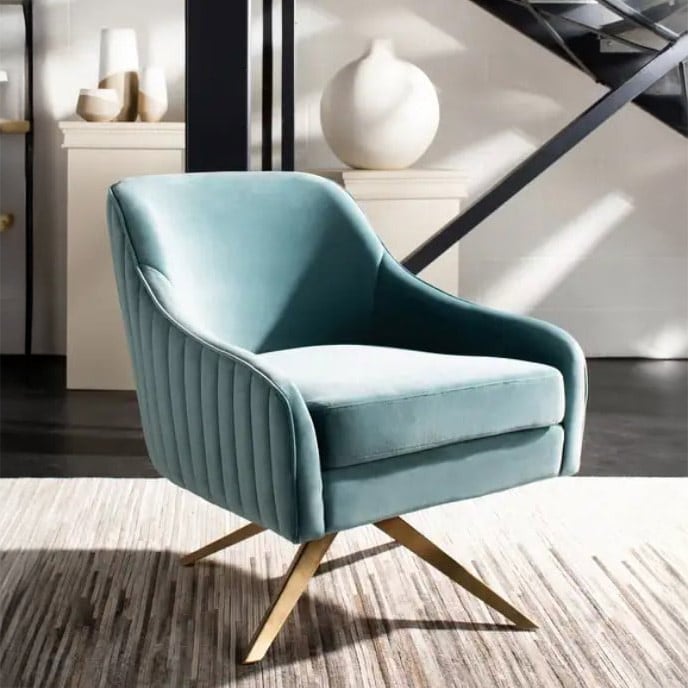
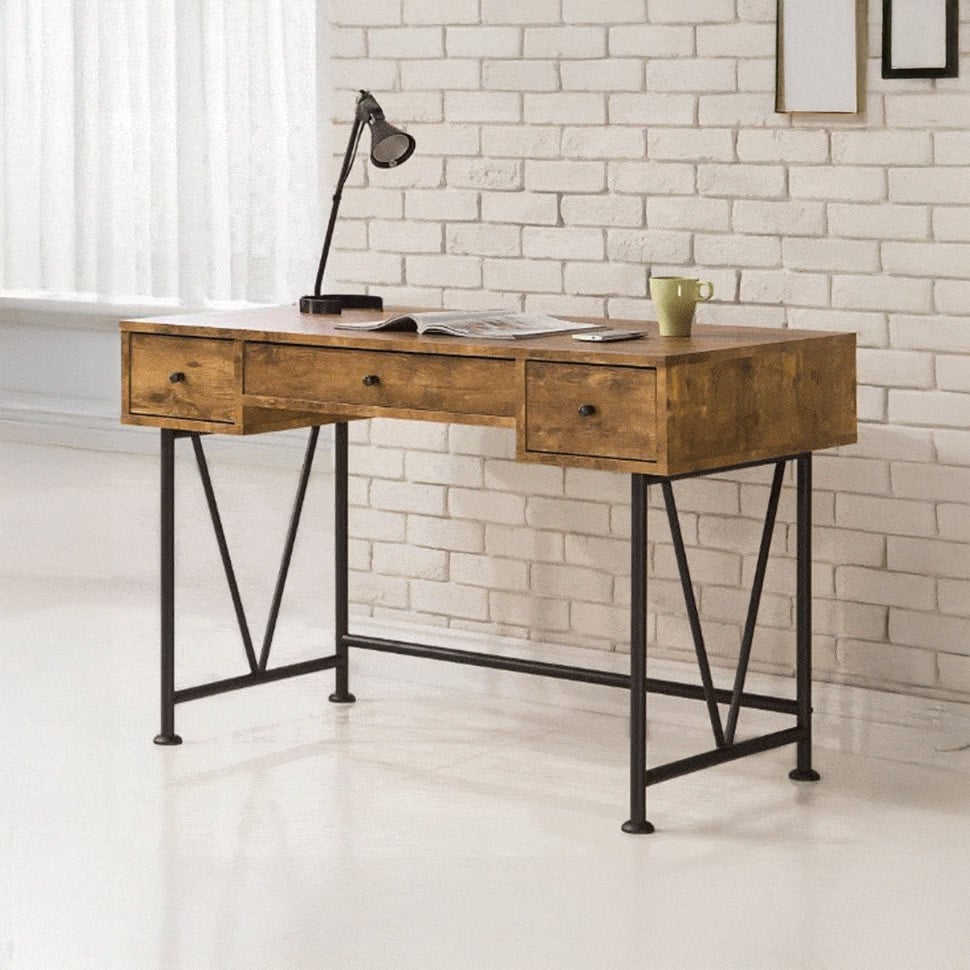
Depending on the home, other rooms may also benefit from staging. Offices, guest rooms, or flex spaces can sometimes feel unclear without furniture or visual anchors.
In these cases, staging helps demonstrate how the room might function, giving buyers a clearer understanding of how the space can support everyday living.
Staging With Intention
Home staging isn’t about filling rooms or decorating every corner. It’s about helping a home communicate clearly.
By focusing on the spaces that shape the overall experience of the home, staging brings balance and direction to the layout. Visitors can move through the home comfortably, understanding how each space fits into the whole.
At Jana Ward Interiors, staging is approached with the same design principles that guide interior design: proportion, clarity, and thoughtful balance.
If you’re preparing a property for the market, contact Jana Ward Interiors to schedule a consultation and explore how staging can help your home present at its best.