Why Lighting Is Essential in Interior Design
Lighting shapes how a space is experienced long before individual design details are noticed. It influences mood, comfort, and function, and it plays a defining role in how materials, colors, and architectural elements come together.
In interior design, lighting isn’t an accent or a finishing touch. It’s a foundation.
How Lighting Sets the Tone of a Space
The quality of light in a room affects how it feels to be there.
Soft, balanced lighting creates a sense of ease. Focused lighting supports clarity and function. When lighting is too harsh or too limited, even well-designed spaces can feel unfinished or uncomfortable.
Thoughtful lighting brings cohesion to a room, allowing it to feel intentional and lived in rather than overly styled.
The Importance of Natural Light
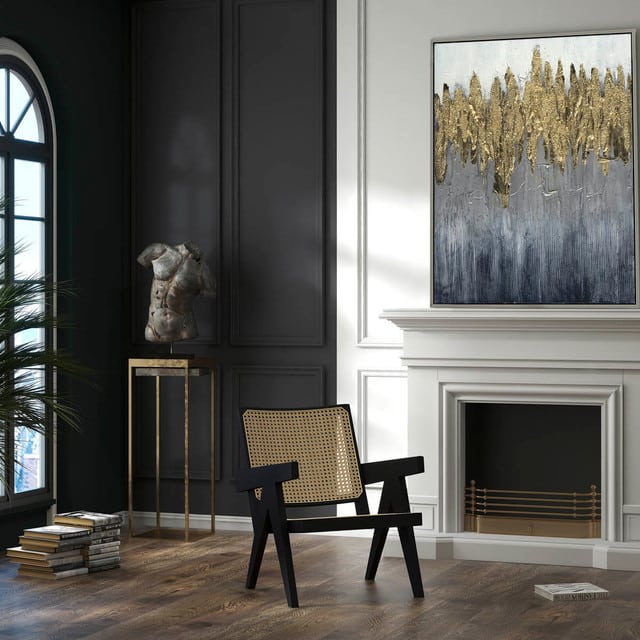
Natural light is one of the most influential elements in interior design. It introduces warmth, openness, and rhythm, shifting throughout the day and subtly changing how a space is perceived.
Designing with natural light in mind means understanding how daylight enters a home, where it lingers, and how it interacts with surfaces and finishes. Rooms with abundant daylight can support richer tones and layered materials, while spaces with less natural light often benefit from lighter palettes and reflective elements.
When natural light is considered early in the design process, spaces feel more balanced and connected.
Balancing Natural and Artificial Light
While natural light plays a vital role, it cannot stand alone. As daylight changes, artificial lighting fills in the gaps, maintaining comfort and consistency from morning through evening.
Interior design considers how these two sources work together. The goal is not constant brightness, but flexibility, allowing a space to transition seamlessly throughout the day.
Layered Lighting Adds Depth and Purpose
A single overhead fixture rarely supports how a space is actually used.
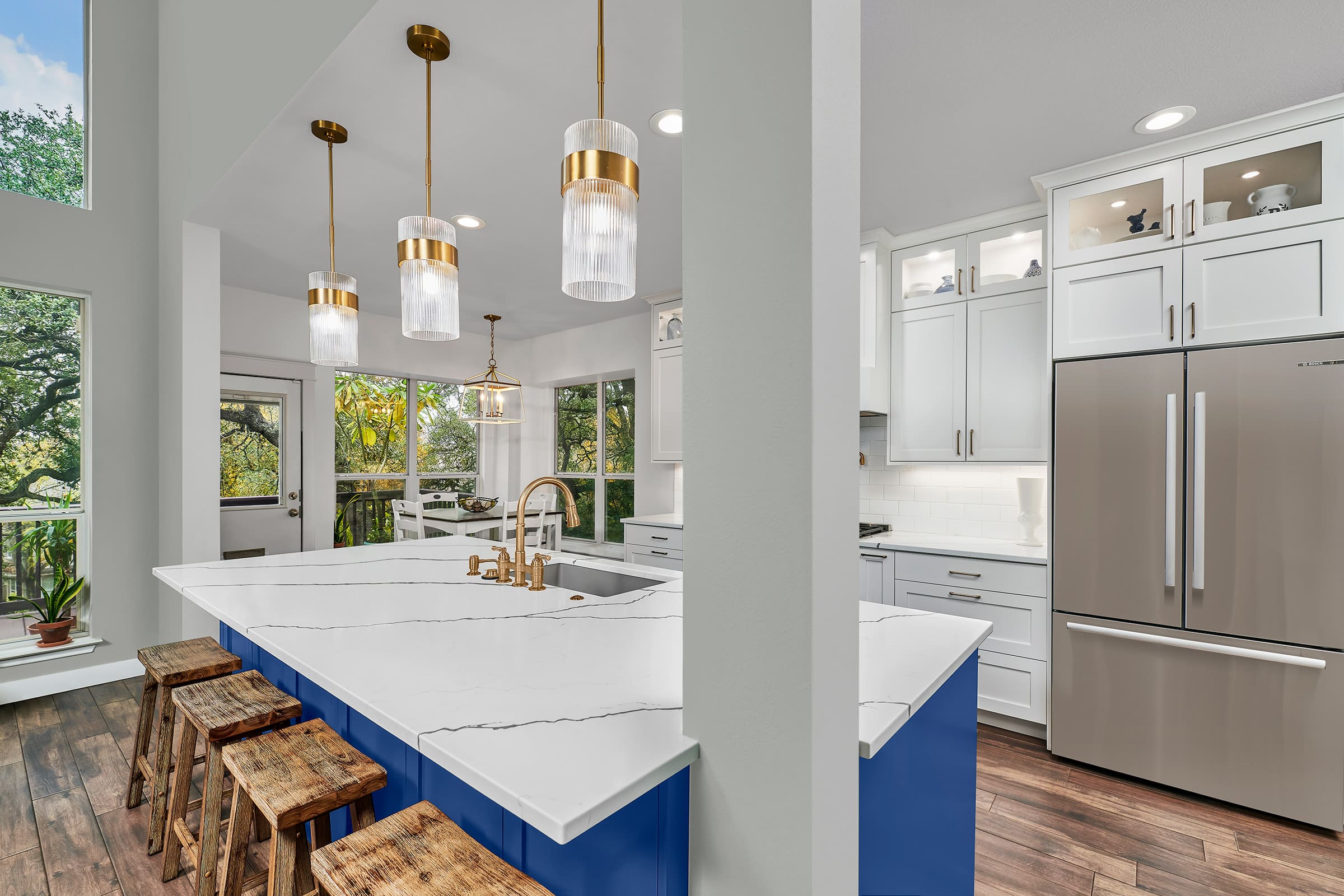
Layered lighting introduces dimension by combining ambient light for overall illumination, task lighting for function, and accent lighting to highlight form and texture. This approach allows rooms to adapt, supporting both everyday routines and quieter moments.
Lighting Shapes Color and Material
Color and material choices are deeply affected by light. The same finish can appear warm or cool, soft or sharp, depending on how it’s illuminated.
Considering lighting alongside paint, textiles, and hard surfaces ensures those selections read as intended. When lighting is thoughtfully integrated, materials feel richer and color choices feel more resolved.
Lighting as a Design Foundation
Well-designed interiors are not defined by a single fixture or statement. They are shaped by how light moves through the home, supports daily life, and brings cohesion to every space.
At Jana Ward Interiors, lighting is considered from the beginning as an essential part of the interior design process. When planned with intention, it elevates the entire home.
If you’re designing or refining a space and want lighting to feel purposeful and considered, contact Jana Ward Interiors to schedule a consultation.
Curated Pieces You’ll Love Living With
Our showroom and warehouse are open to the public and filled with hand-selected furniture, lighting, art, rugs, and accessories. Each piece is chosen for its quality, warmth, and timeless style.