How to Make a Small Room Feel Larger With Interior Design
Not every room needs to be expansive to feel comfortable and well designed. In fact, some of the most inviting spaces are smaller rooms that have simply been arranged with care.
Interior design has a wonderful way of shifting how a room is experienced. With the right balance of proportion, light, and thoughtful choices, even modest spaces can feel open, calm, and beautifully resolved. Rather than trying to force a room to appear bigger than it is, the goal is simply to help the space work at its best.
Start With Proportion
In smaller rooms, proportion quickly becomes one of the most important design considerations. Furniture that is too large can make a room feel crowded, while pieces that are too small can leave the space feeling unfinished.
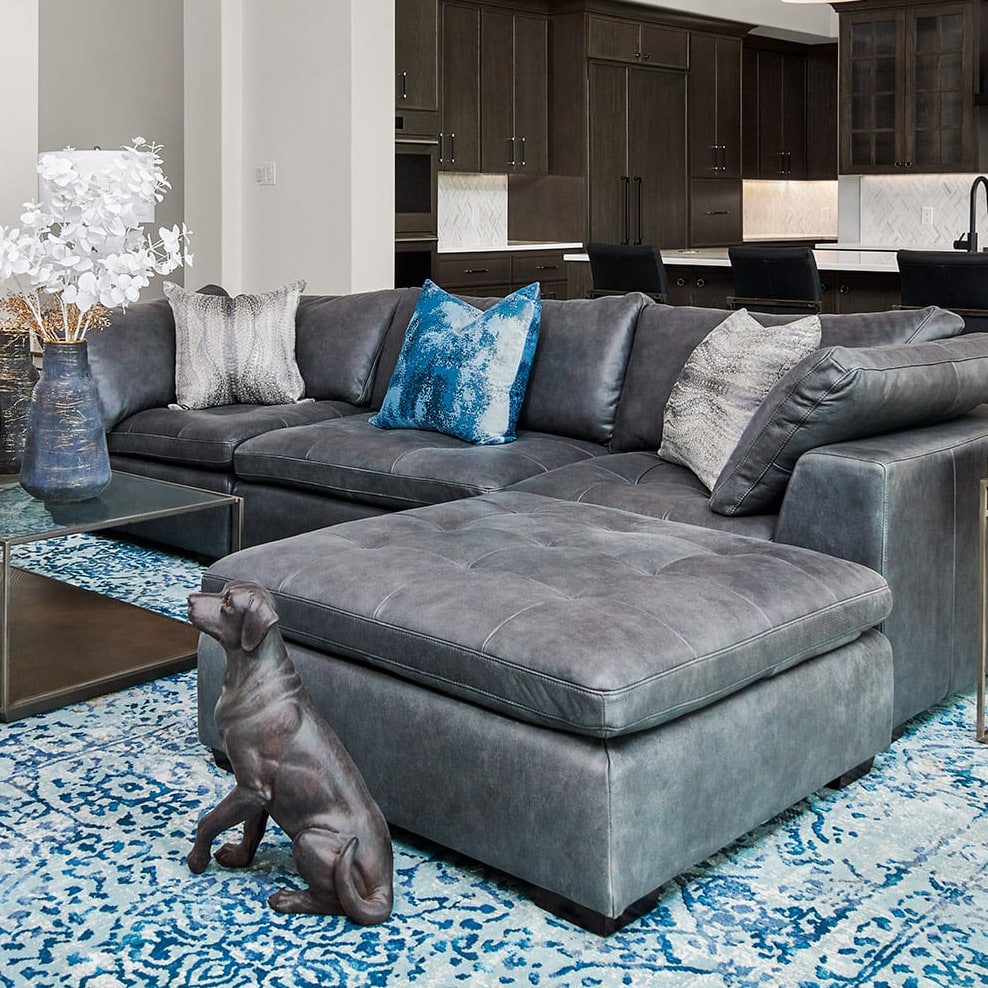
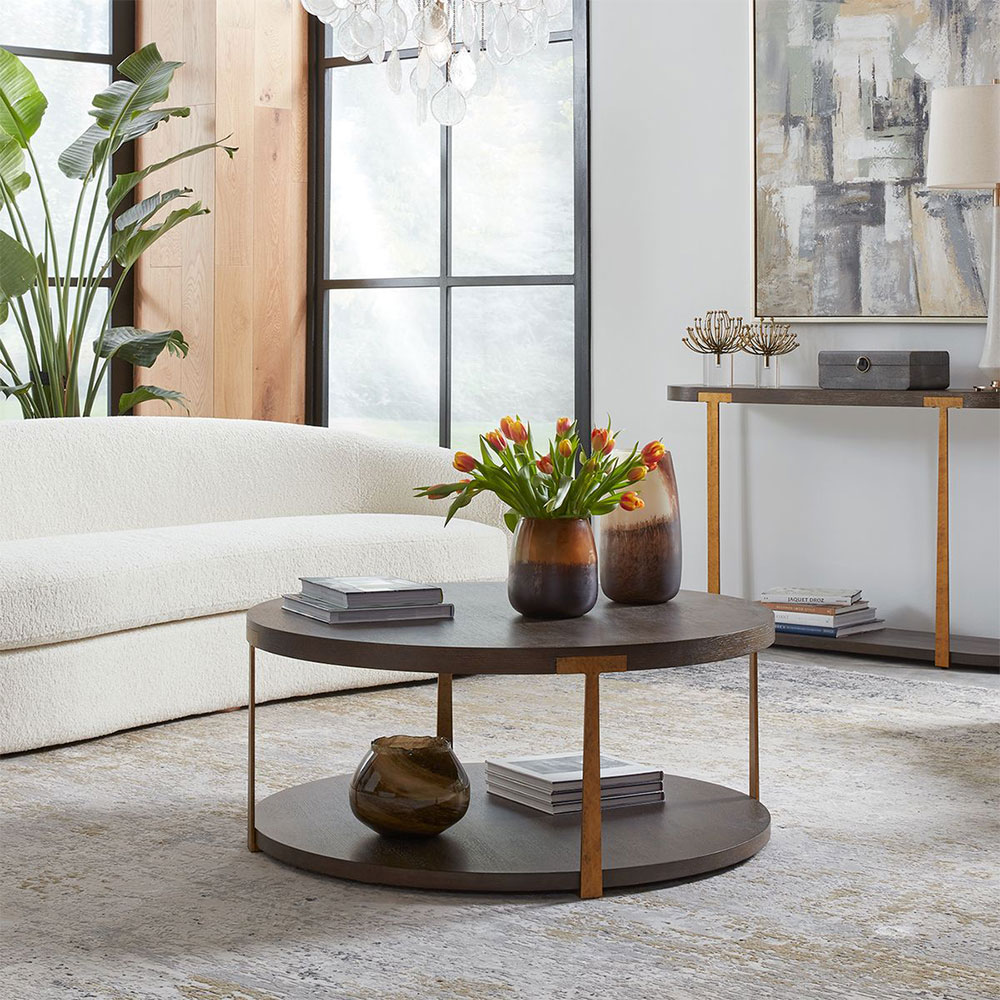
Choosing furniture that fits the scale of the room helps everything feel more comfortable. For example, a streamlined sofa with exposed legs often feels lighter in a small living room than a bulky sectional that sits heavily on the floor. A round coffee table can also make movement easier in tighter layouts compared to a large rectangular piece. Even small adjustments, such as allowing a little space between furnishings, can make a noticeable difference. When pieces have room around them, the entire space begins to feel more open and relaxed.
Let Light Do Its Work
Light plays a quiet but powerful role in how spacious a room feels. Natural light, especially, brings energy and openness into a space.
Allowing daylight to move freely through a room can instantly make it feel brighter and more inviting. Simple choices like lighter window treatments or hanging curtains slightly higher can help emphasize height and draw the eye upward.
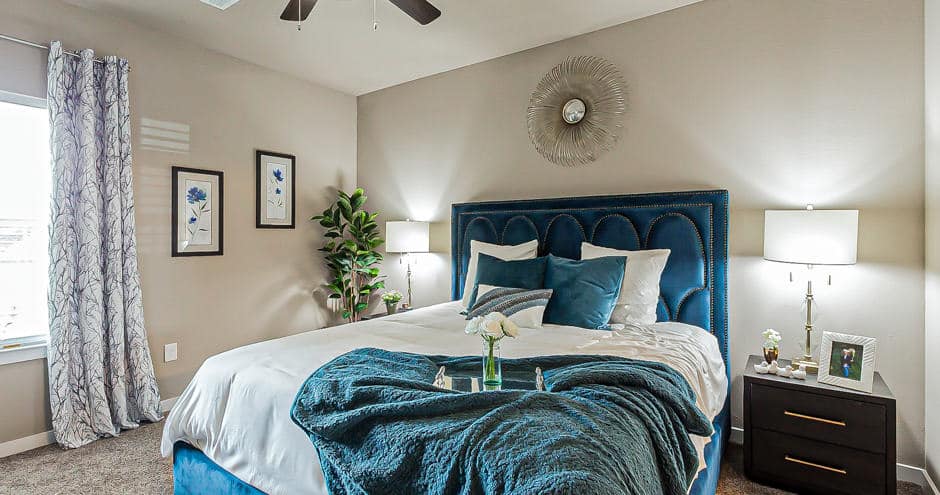
Layered interior lighting also helps. Combining overhead lighting with table lamps or wall sconces softens shadows and brightens corners, helping the room feel more balanced and welcoming.
Use Color to Create Continuity
Color can influence how the eye moves through a room. When a palette feels cohesive, the space reads as one continuous environment rather than a collection of separate pieces.
Lighter tones often help reflect light and create openness, which is why soft neutrals, warm whites, and gentle tones work beautifully in smaller rooms. But that doesn’t mean deeper colors are off limits. Used thoughtfully, a darker accent wall or painted built-in can actually add depth and character.
The key is keeping the palette connected so the room feels harmonious rather than busy.
Edit With Intention
Smaller rooms tend to feel their best when they’re thoughtfully edited.
Too many decorative objects, crowded surfaces, or oversized accessories can make a space feel tighter than it really is. By choosing fewer pieces and choosing them carefully, the room begins to feel calmer and more comfortable.
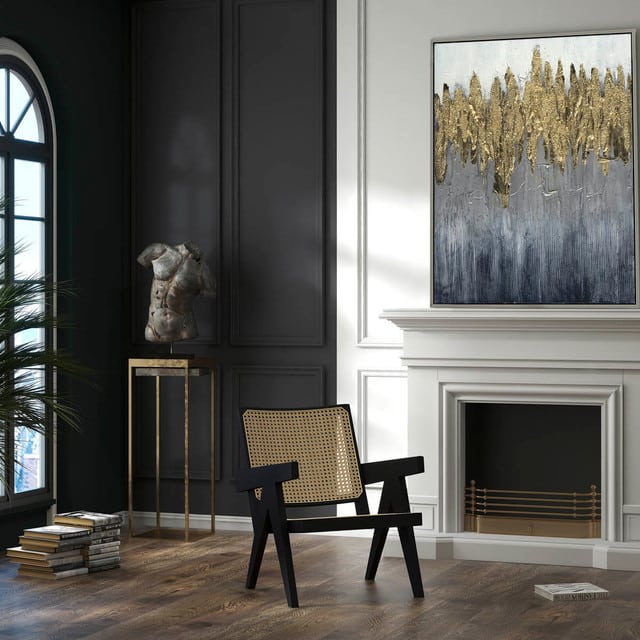
For example, one striking piece of artwork can often have more impact than several smaller pieces competing for attention. The same idea applies to accessories: a few well-chosen elements usually create a stronger design than many small ones.
Introduce Depth Thoughtfully
Certain design elements can quietly add depth to a room and help it feel more expansive. Mirrors are a classic example. When placed across from a window or light source, they reflect brightness and subtly extend the sense of space.
Glass furniture can have a similar effect. A glass coffee table or console visually “disappears” more than a solid piece would, helping the room feel lighter and less crowded.
Used thoughtfully, these details add dimension without drawing attention away from the space itself.
Balance Is What Makes a Room Feel Spacious
In the end, making a room feel larger isn’t really about creating an illusion. It’s about balance.
When proportion, light, color, and thoughtful restraint work together, the room simply feels easier to experience. Even a smaller space can feel open, welcoming, and beautifully put together.
At Jana Ward Interiors, interior design begins with understanding how a space is meant to function and feel. When those elements come into alignment, every room, large or small, can feel complete.
If you’re looking to make the most of your space, contact Jana Ward Interiors to schedule a consultation and explore what thoughtful interior design can do for your home.
Curated Pieces You’ll Love Living With
Our showroom and warehouse are open to the public and filled with hand-selected furniture, lighting, art, rugs, and accessories. Each piece is chosen for its quality, warmth, and timeless style.